
Do I have Religious Trauma?
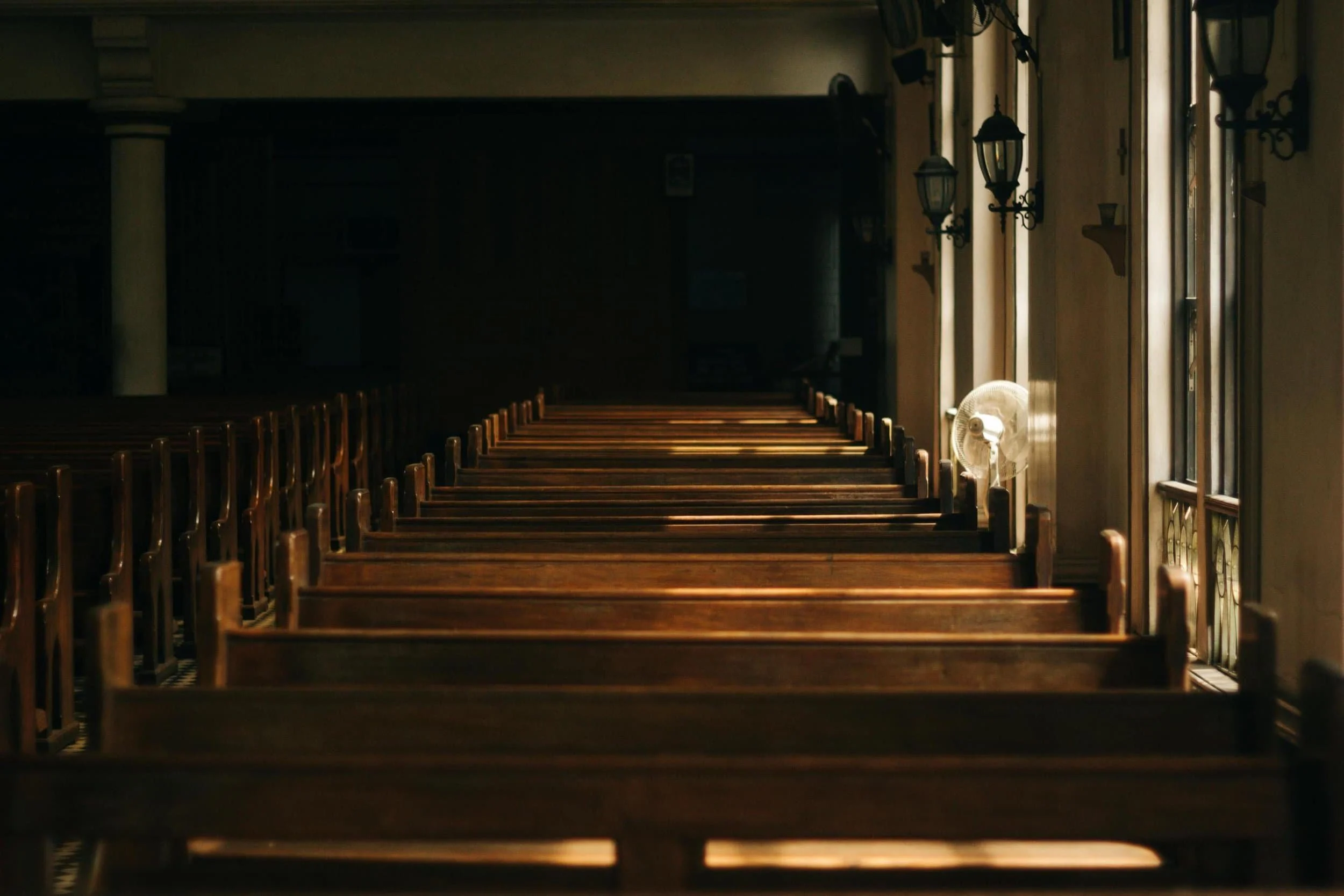
If you had a challenging experience at church or in a similar environment, you might be wondering- “do I have religious trauma?” Today, we will explore what kinds of religious conditions can lead to trauma. We will also discuss religious trauma examples and healing from religious trauma.
What is Religious Trauma?
As with all types of trauma, it’s important to note that trauma is not the actual challenging event that happens. Trauma is what happens inside the mind and body because of the event. For this reason, what one experiences as non-traumatic another may experience as traumatic.
Religious trauma develops from negative experiences within a religious or spiritual context. It can develop from any type of religion. In this guide I will focus on examples related to Christianity, since that is the religion I am most familiar with. Even within a particular religion, people’s experiences can vary. For example, someone who was born into a cult will have a very different experience from someone who attends church over the holidays.
What is it about religious environments that can lead to trauma? Negative experiences can be outright abuse. Religious leaders often have power, which is not always used for good. But not all religious trauma develops from blatant abuse. Most religions involve rules and guidelines about how to live. Expectations to follow these rules can lead to a loss of autonomy, and ultimately, traumatization.
Marlene Winell, a psychologist, notes the impetus of religious trauma is two-fold. The first factor is experiencing the harmful religion, as described above. The second factor is implications of leaving a harmful religion. “Deconstructing” is a term used to refer to re- evaluating your religion and changing the role it plays in your life. While this can be a positive shift over time, at first re-thinking your faith can lead to a loss of meaning, identity, and community.
So how do we answer the question- “do I have religious trauma?” Winell notes that religious trauma symptoms show up in emotional, cognitive, social, and cultural ways. Below, we will explore religious trauma examples in each category. Finally, I will discuss how you can get help overcoming religious trauma.
Religious Trauma Examples
Emotional
Many people with religious trauma experience a lost sense of meaning. You likely made sense of life’s joys, as well as losses, through a religious lens. For example, if a loved one died, you might have consoled yourself by thinking of reuniting with that person in heaven. But if you no longer believe in heaven, you lose this schema.
Similarly, you may lose your sense of identity when leaving your religion. Perhaps you viewed yourself primarily as a “A Child of God.” Maybe you worked for your church or otherwise dedicated most of your time to religious activities. You may struggle to define who you are without the religion.
According to Winell, other emotional signs can include anxiety, depression, and anger. Grief and loneliness are also common. These symptoms can be debilitating, so please keep reading if you need support.
Cognitive
A common cognitive sign of religious trauma is difficulty with critical thinking. For example, a common phrase in Christianity is to “walk with faith, not by sight.” That is, you are encouraged to make decisions that aren’t based on logic. In fact, “questioning” is often discouraged in religious contexts. These cognitive habits can make it difficult to discern.
Another cognitive symptom is negative views of self. For example, Christianity teaches that humans are “sinners” that need “saving.” This may lead you to see yourself as “bad,” or “helpless.” Of course, emotional symptoms such as guilt or anxiety are likely to follow.
Other cognitive signs can include confusion, black-and-white thinking, perfectionism, and difficulty with decision-making. If you notice these signs in yourself, help and support are available.
Social
As noted above, negative religious experiences can prompt people to leave the religion. This can lead to the loss of social and even family connections. Many of the people in your network might not understand your decision and may even condemn it. A common meme within Christianity deconstruction groups is being told “you only left to sin.” Experiencing these invalidating attitudes can be extremely isolating.
It can also be very difficult for people with religious trauma to form new social relationships. For one thing, you may struggle to trust new people after experiencing a trauma. As another example, many people leaving fundamentalist Christian circles struggle with dating. This is due to the emphasis put on sexual “purity” in these circles.
Cultural
Religious trauma can also impact a person’s cultural integration. This is especially true for survivors of cults and similar groups where access to the broader culture was limited. People leaving an authoritarian religion may feel like they are entering a whole new culture. This can be true even if they are not changing the country or state they live in.

Cultural difficulties can include knowledge gaps. Survivors might not have exposure to media, including movies, music, and even certain books. You may struggle to understand cultural references and slang. Survivors of fundamentalist Christian groups may even have limited knowledge of science. This can make it very difficult for others to understand you, or even to get a higher education or job.
Healing from Religious Trauma
Healing from religious trauma is possible. Others have gone through similar experiences and are here to guide your journey. Therapy can be a great place to start. A skilled therapist can help you make sense of your experiences and grieve what you have left behind. Therapy can also help you build meaning and identity outside of religion.
Support groups may also be helpful. Groups can help survivors realize that they are not alone in their experiences. It can also be useful to connect with others having a similar experience. The Reclamation Collective offers easily accessible online groups.
Religious trauma can develop from abusive or authoritarian structures in religious communities. If you are asking the question “do I have religious trauma?” there are several key areas to focus on. These include the emotional, cognitive, social, and cultural areas of your life. Although it may touch so many areas, there is hope for healing from religious trauma. Individual therapy and support groups can be a lifeline. Although it may be difficult, remember this is also an exciting opportunity for a fresh start.